
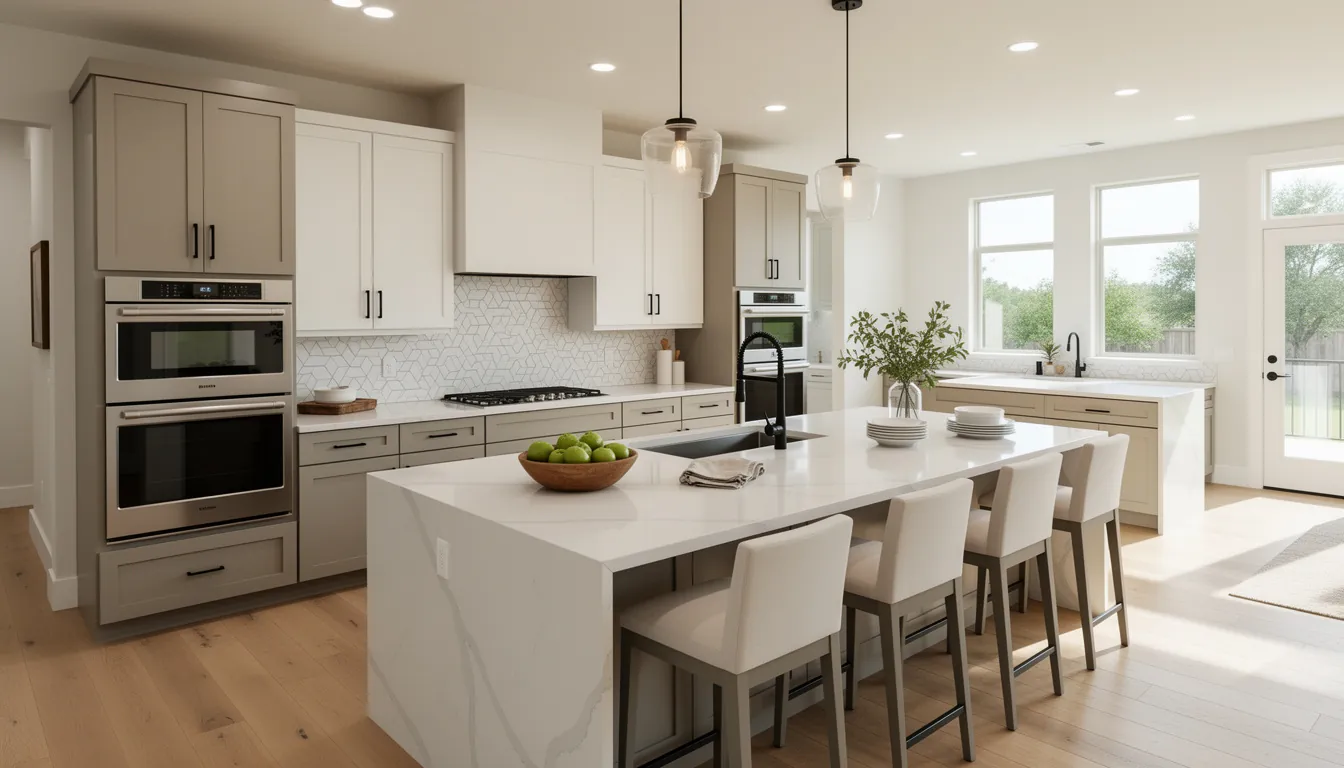
A Step-by-Step Guide to Custom Kitchen Renovation
By Daniel Hogenson, founder · Published October 16, 2026
Renovating your kitchen is a big decision and a significant investment in your home. Whether your goal is to update an outdated space, improve functionality, or create a dream kitchen for cooking and entertaining, a custom kitchen renovation can transform the heart of your home. Here's a practical, step-by-step guide to help you understand the process, from initial ideas to the final walk-through.
How Do I Start Planning My Custom Kitchen Renovation?
Start by identifying what you want to achieve with your kitchen remodel. Make a list of what works in your current kitchen and what doesn't. Think about your cooking habits, storage needs, and entertaining style. Gather inspiration from magazines, online galleries, and homes you've visited. If you live in Austin or the surrounding areas, consider local kitchen trends and how your space fits into your neighborhood. Finally, set a realistic budget that includes room for unexpected expenses.
What Happens During the Design Phase?
Once you have your wish list, the design phase begins. This is where you work with a designer or design-build team to lay out your new kitchen. You'll discuss options like layout reconfiguration, kitchen islands, custom cabinets, and material choices. The designer will measure your space, create detailed drawings or 3D renderings, and help you make decisions on everything from cabinet style to countertop materials like quartz. At this stage, it’s crucial to nail down your appliance sizes and locations, as well as the overall flow of the kitchen.
What Permits and Preparations Are Needed?
Most custom kitchen renovations require some kind of permit, especially if you’re moving walls, adding windows, or changing plumbing and electrical. Your remodeling contractor should handle the permitting process, but it’s good to understand what’s involved. Before work begins, clear out your kitchen and set up a temporary food prep area elsewhere in your home. Protect adjacent rooms from dust with plastic barriers and move any valuables or breakables out of the way.
What’s Involved in the Demolition and Structural Work?
Demolition is usually the first major step on site. This includes removing old cabinets, countertops, appliances, and sometimes flooring. If the renovation involves changing the layout, this might mean removing walls or adding beams for support—especially if you’re after an open-concept space. Structural changes like load-bearing wall removal or beam installation need to be handled carefully, with input from engineers and adherence to local codes. Debris is hauled away as the space gets prepped for the next phase.
How Does Installation and Finishing Work Proceed?
After demolition, rough-ins for plumbing, electrical, and HVAC are completed. Inspections may be required at this stage. Next comes the installation of cabinetry—whether custom, semi-custom, or refaced units—followed by countertops, backsplash, and fixtures. Floors are typically installed after cabinetry to avoid damage. Appliances, lighting, and plumbing fixtures are put in place. Finally, walls are painted, and finishing touches like trim and hardware are added. The process is methodical, with each trade scheduled in the right order to keep the project moving smoothly.
How Can I Ensure My Renovation Stays on Track?
Regular communication with your contractor is key. Ask for a written schedule and check in frequently to address any concerns as they come up. Be prepared for minor delays, especially if materials are backordered or unexpected issues pop up (older Austin homes, for example, sometimes hide surprises behind walls). Keep decisions and change orders to a minimum once work begins, as these can impact both timeline and budget.
Frequently Asked Questions
How long does a custom kitchen renovation usually take?
Most custom kitchen renovations take anywhere from six to twelve weeks once construction begins, depending on the scope of work. Larger projects or those with structural changes can take longer, especially if there are permitting or supply delays.
Can I live in my home during the renovation?
Yes, most homeowners stay in their homes during a kitchen remodel, but you’ll need to set up a temporary kitchen and be prepared for dust and disruption. Some clients in the Austin area choose to stay elsewhere for a few days during the messiest phases.
Do I need to choose all materials before work starts?
It’s best to finalize selections for cabinets, countertops, appliances, and fixtures before work begins. This helps avoid delays and keeps the project on schedule.
What’s the difference between cabinet refacing and new cabinets?
Cabinet refacing keeps your existing cabinet boxes but updates the doors, drawer fronts, and hardware for a fresh look. New cabinets offer more flexibility for layout changes and storage upgrades.
Ready to start your kitchen transformation? Reach out to RenovatePros to discuss your ideas and get expert guidance tailored to your home in Austin. Our team is here to walk you through each step, ensuring a smooth renovation from the first sketch to the final reveal.